When Israeli airstrikes targeted an intelligence facility and a detention centre run by the Islamic Revolutionary Guard Corps (IRGC) in the town of Sanandaj in northwestern Iran last week, their families rushed towards the blast – fearing their loved ones arrested for protesting the regime in recent months had been killed inside.
Security forces blocked the streets and prevented them from getting close, with no word on the fate of just some of the 50,000 people who disappeared into the bowels of Iran’s detention system for dissenting, now at risk anew as strikes hit the facilities holding them.
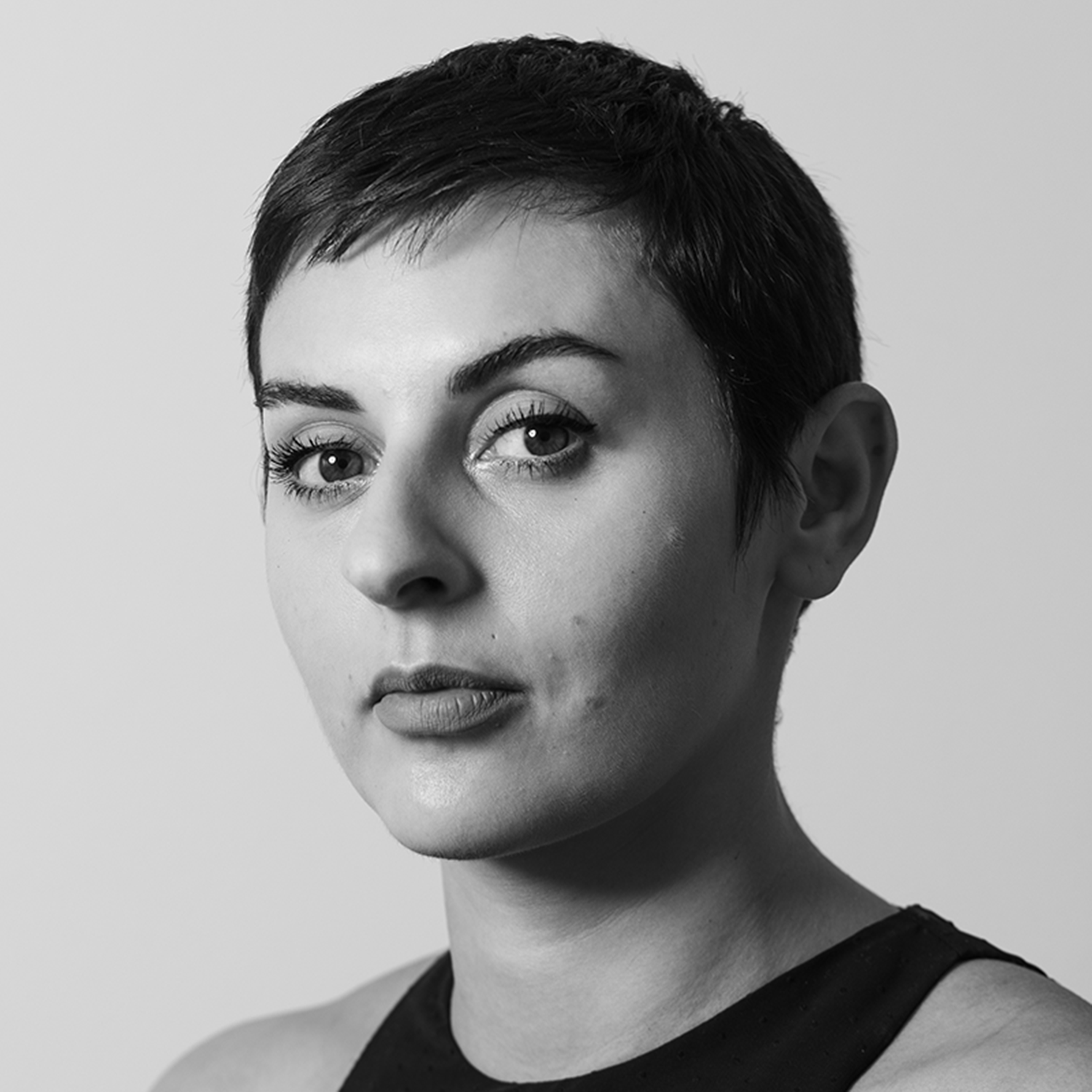
"Their families are kept in the dark," said Arina Moradi of the rights group Hengaw. "Many don’t know where their loved ones are, or if they are still alive." She noted that after strikes on IRGC and intelligence buildings in Sanandaj, security forces took over part of a local hospital to house wounded detainees while keeping them under constant surveillance, blocking access to outsiders.
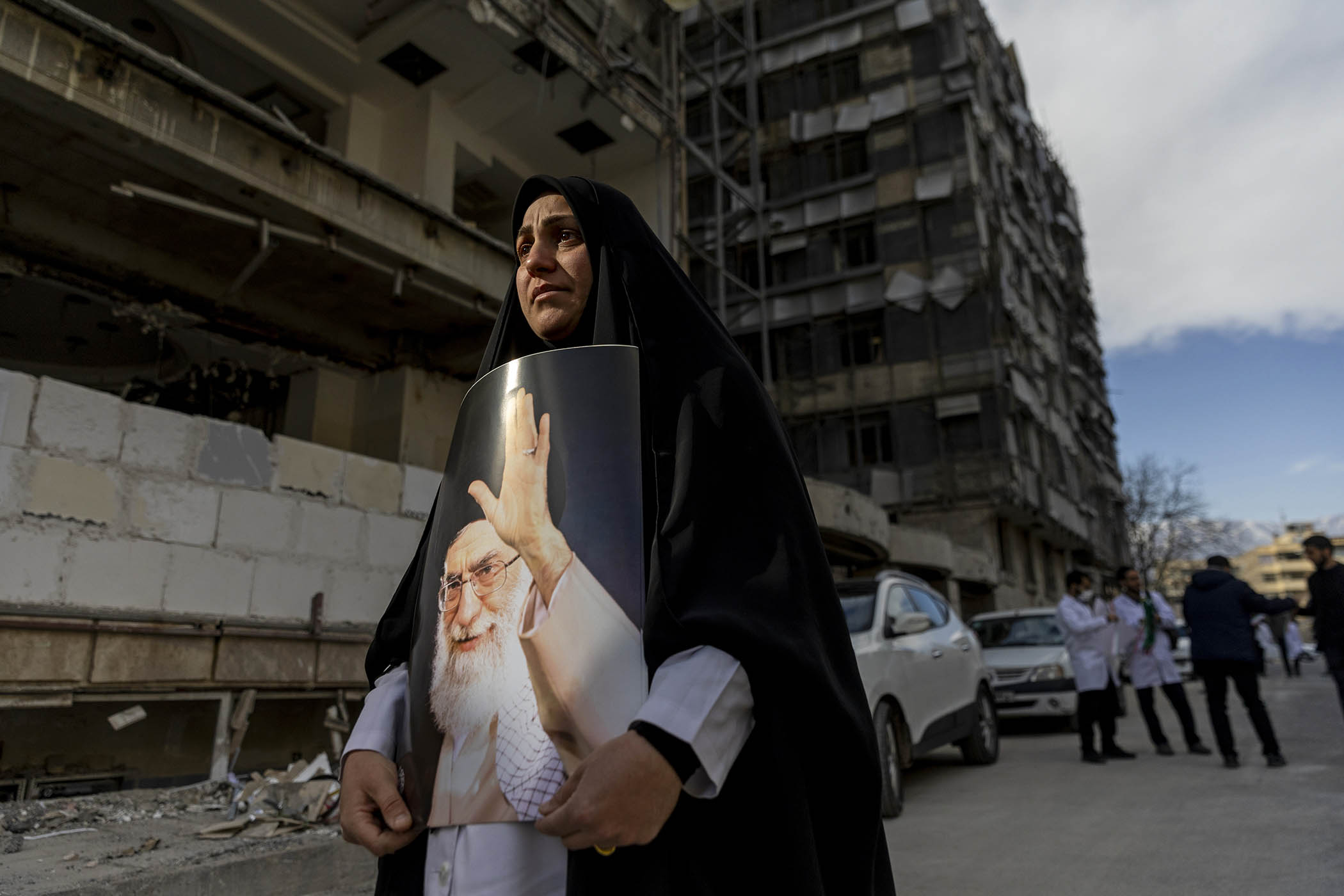
Across Iran, security forces set up flying checkpoints and turned out in force on the streets. Images also emerged showing soldiers, including the IRGC, settling in civilian buildings: massing outside a sports complex in Qazvin or lounging in the courtyard of a school in Tehran – one soldier with his feet up on a chair.
‘Many don’t know where their loved ones are, or if they are still alive’
‘Many don’t know where their loved ones are, or if they are still alive’
Arina Moradi
In the week following the assassination of supreme leader Ayatollah Ali Khamenei, American and Israeli bombardments have struck every aspect of Iran’s security infrastructure, from IRGC bases to police stations and intelligence facilities. Iran's regime has hit back overseas. But it has also been fighting for survival on another front: menacing its own citizens to curb internal dissent and maintain control. “The regime appears focused on two immediate priorities: continuing military retaliation under almost any circumstances, and maintaining control over the streets and key state institutions,” said Mohammad Ghaedi of George Washington University in DC.
Some in Tehran like 30-year-old Parisa said she found joy in seeing facilities synonymous with the regime's tight grip on its citizens go up in flames, even as American and Israeli airstrikes made Tehran’s skyline burn a luminous orange. "The intelligence building on Niloofar square where I was detained twice for not wearing the hijab was hit," she said. The building that struck fear into so many sat in a residential neighbourhood – the strike on it killed 20 according to an outlet tied to Iran's judiciary.
Others like Mahshid fumed at how exposed they felt: Iranian security forces on the streets offered no protection while the regime maintained an internet blackout that often left them without key information, like evacuation orders. "This regime is attacking the whole region for its own survival," Mahshid said by text during a brief moment when she could get online. "Our homes shake from the bombings. There are no shelters, no sirens and no evacuation orders. Add to that they cut off our ability to connect to the internet. There is no protection for us."
After Israeli attacks decapitated the IRGC and many of Iran’s highest security officials, the regime moved to quell any notion of a power vacuum at the top, quickly reappointing officials to senior posts as well as forming an interim leadership council. A new supreme leader remains yet to be announced, and Israeli strikes targeted a building in Qom where a council of clerics was due to meet to discuss a successor.
While officials jostled for power, the IRGC’s control was certain. The powerful organisation is a behemoth inside the Iranian regime: it is expected to exert influence over Khamenei’s successor, and many of the regime’s remaining powerful figures are former members. "It was built for resilience, with its tentacles into virtually every facet of Iranian political and social life," said Frederic Wehrey of the Carnegie Endowment for International Peace.
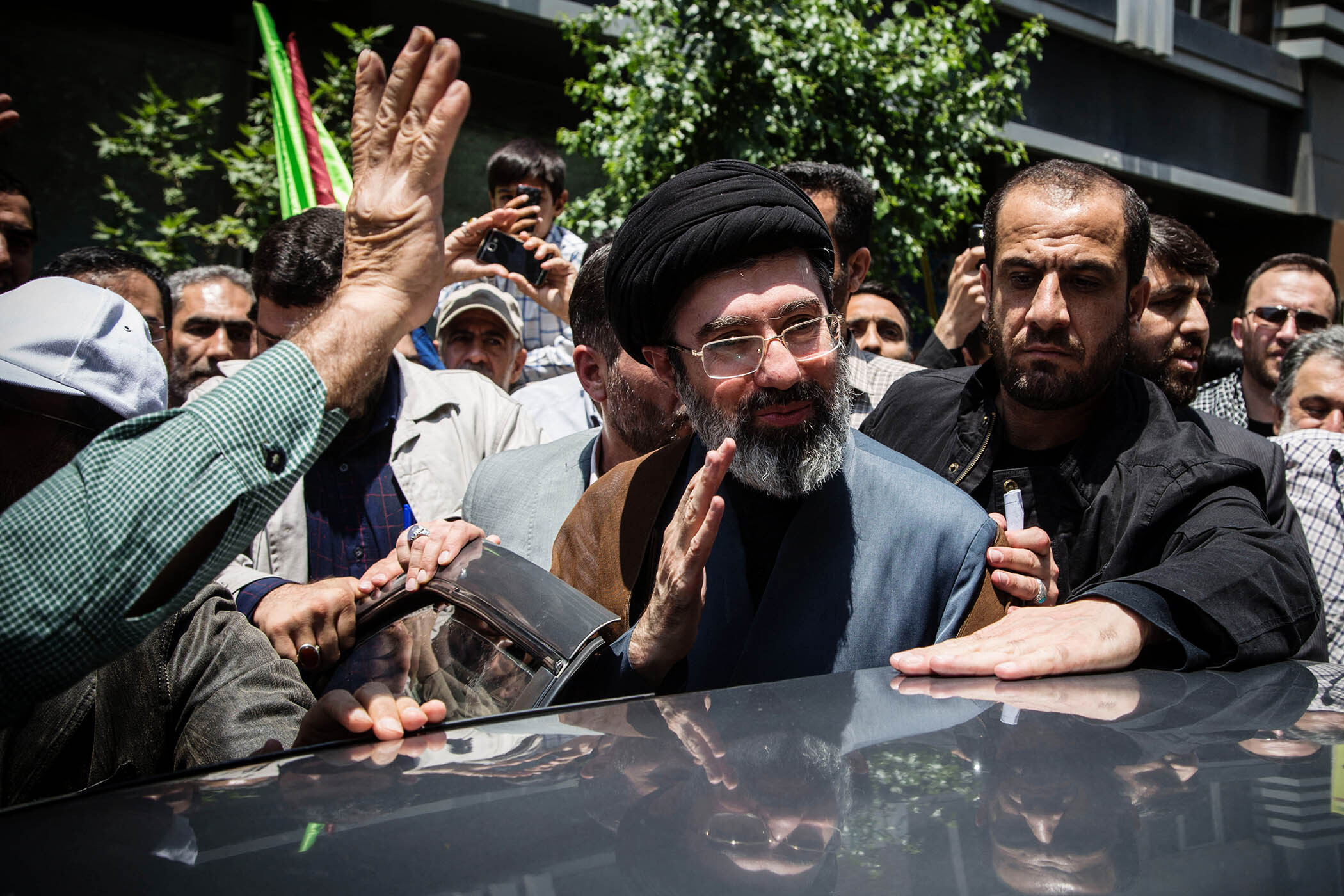
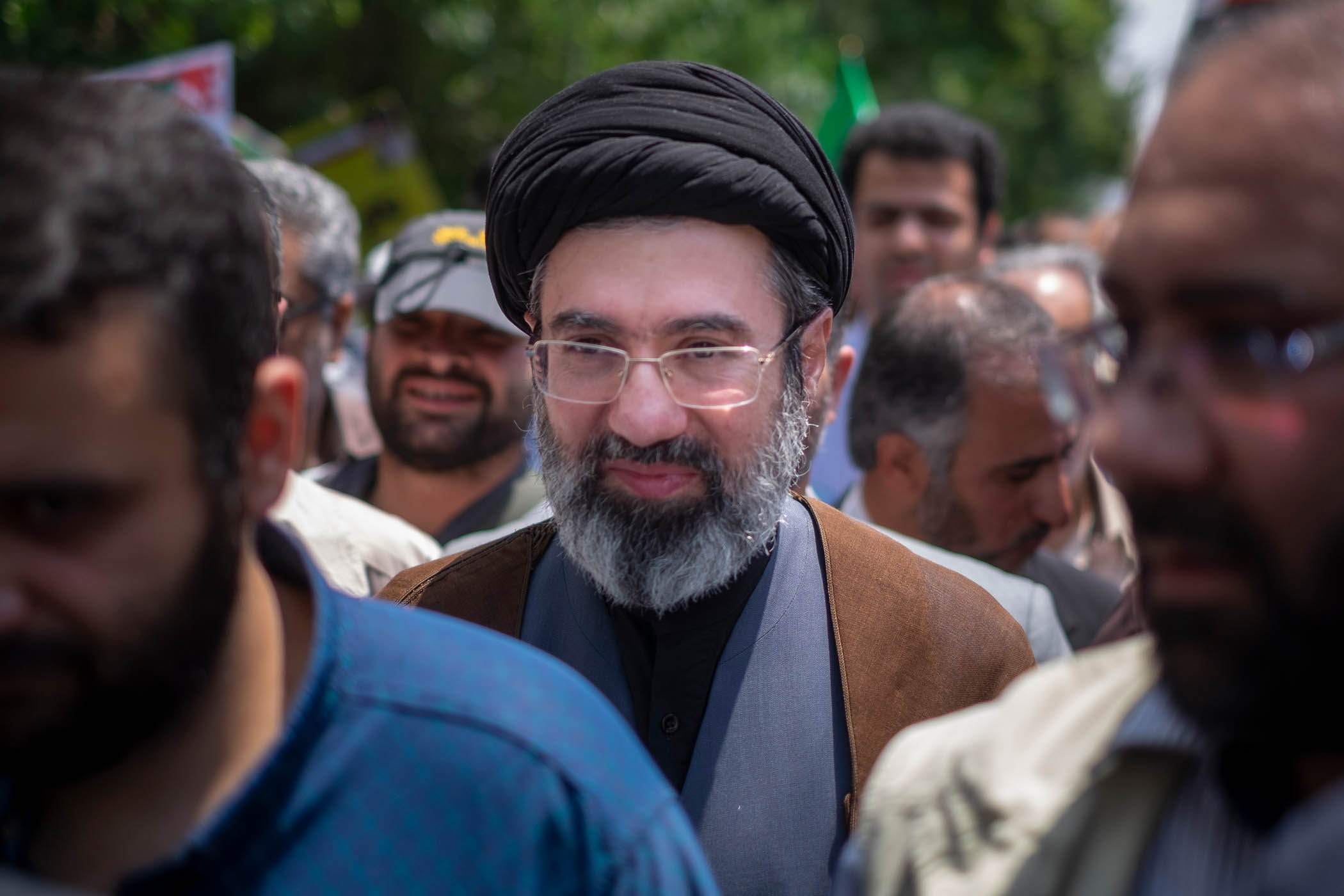
Head of the national security council Ali Larjiani – a former IRGC member – denied Donald Trump's claims that a top-level figure could be willing to cut a deal with Washington as the Islamic republic attempts to endure: Trump in turn claimed he wants a role in picking Khamenei's successor, and lashed out at his hardliner son Mojtaba who appeared tipped to succeed him.
Newsletters
Choose the newsletters you want to receive
View more
For information about how The Observer protects your data, read our Privacy Policy
The IRGC likely backs Mojtaba Khamenei's candidacy, following the 56-year-old's purported role as an IRGC liaison within his father's office. "It's a symbiotic relationship: He needs the IRGC's coercive power, and the IRGC benefits from a trusted leader within the supreme leader's office," said Wehrey. Hereditary rule is not politically popular: video from Tehran showed people leaning out their windows to chant against Mojtaba.
‘The Islamic Republic could hold on for another decade, but the future is grim’
‘The Islamic Republic could hold on for another decade, but the future is grim’
Farzan Sabet, Geneva Graduate Institute
Iran’s regime has tried to project an unfaltering image of continuity at the top because it fears defections lower down, or deepening splits within the IRGC, said Farzan Sabet at the Geneva Graduate Institute's global governance centre. Sabet pointed to a trickle of videos of discontented lower-level security officials last year who complained they were unable to make ends meet. "You don't need the whole IRGC to turn– just a sufficient fragment to crack off and join with other security or military forces and political opposition to create a powerful counterweight," he said.
Former Iranian nuclear negotiator and politician Seyed Hossein Mousavian disagreed that defections could happen, despite Israeli and American aims to strike IRGC and Basij bases to fuel regime collapse. This, he said, "rests on a questionable reading of how these organisations function.” While two Iranian diplomats defected in Europe earlier this year, Mousavian felt that losing a few low-level conscripts, politicians or even diplomats was unlikely to collapse the system entirely. It was built, he suggested, to withstand this pressure.
As its supporters flood the streets of Tehran nightly, the regime moved to stoke fear. Security bodies blasted citizens with text messages, warning them against subverting the internet block by using VPNs or "speaking to the enemy". A former deputy head of the Basij turned-politician, Salar Abnoush, took to state television to threaten parents that their children would be targeted if they were caught watching opposition-aligned satellite channels. "We don't want your child to get killed," he menaced.
Even as many Iranians bristled at the regime’s response to the assault, Sabet said some version of it could still survive this latest battle. But authorities will face major challenges running the country even if hardliners seize more control, he added. "They can keep power, but for how much longer. The Islamic Republic could hold on for another decade – but the future is very grim," he said.
More from The Observer
Photograph by Majid Saeedi/Getty Images