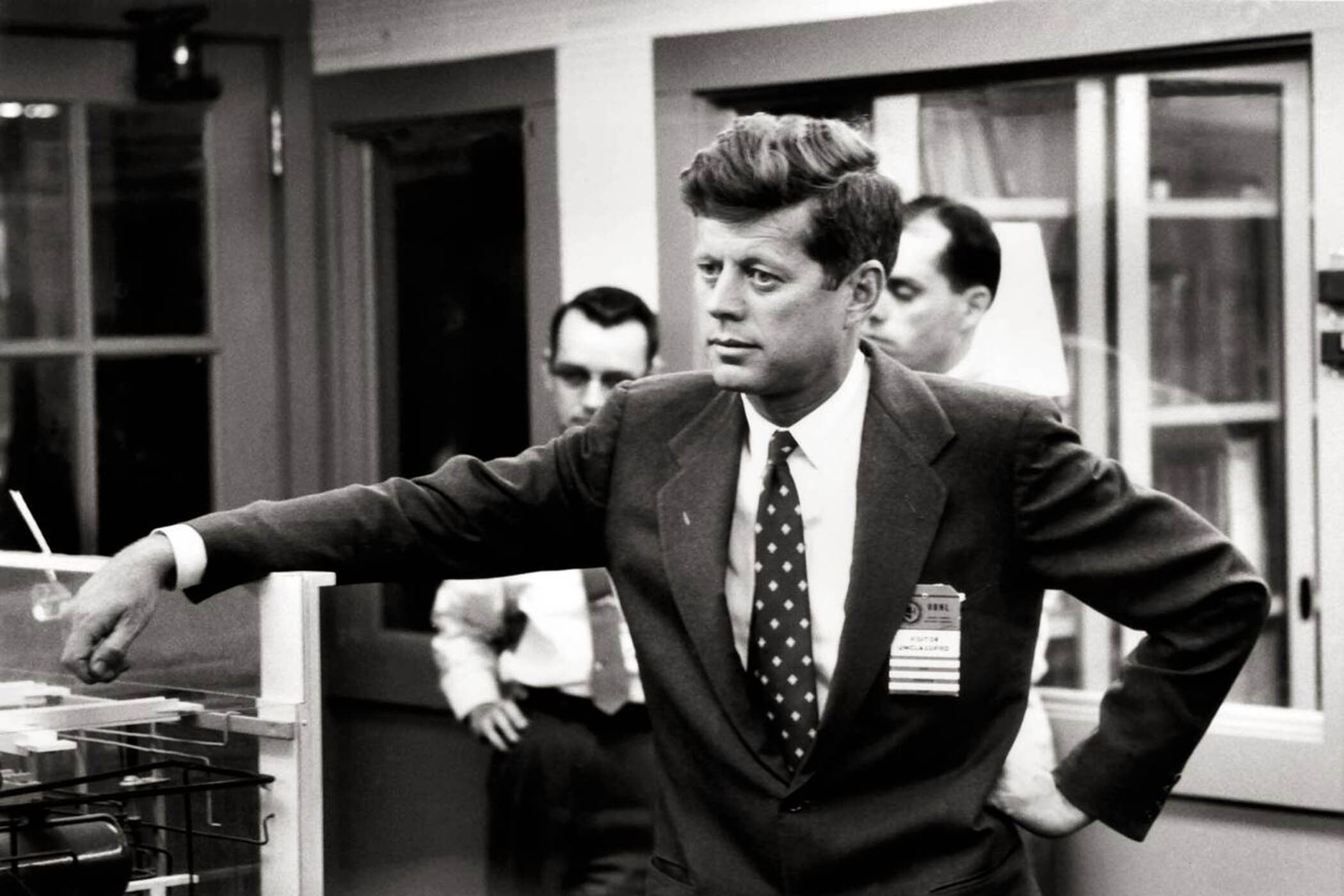


In 1963 the then president of the United States was shot and killed. A few years later, a prominent civil rights leader (Malcolm X) would be shot and, a few years after that, so would another one (Martin Luther King Jr). Three men who were making a difference in the world had their lives cut short by others who wanted to change the world by removing them from it.
30 years ago, when a gunman shot and killed 16 children and their teacher in a primary school in Dunblane, British laws were changed to make it harder for people to pick up guns and murder people.
24 years ago in America, when a gunman shot and killed twenty children and six teachers in a primary school in Connecticut, there was much upset and handwringing but little to no change.
Gun violence remains a major issue in America.
The key distinction between now and 1963 is that now, when people are murdered, millions of us are forced to bear witness through the small screens on our smartphone.
Within the past six months, we've seen footage of a sniper taking out Charlie Kirk and federal agents shooting Renee Good point blank and, days later, aiming 10 shots at ICU nurse Alex Pretti, while he lay face forward, with his arms obstructed.
In 1963, Walter Lippman argued that the enemy of American democracy was extremism. He thought that, to prevent violence, Americans needed to fight against polarisation and remember the ties that bind.
“We must stop the flow of poison,” he wrote, “that when men differ, say about taxes or civil rights or Russia, they cannot be reconciled by persuasion and debate, and that those who take the other view are implacable enemies.”
In a country where federal officers are now killing protesters, it is clear his message is yet to be heeded.
Newsletters
Choose the newsletters you want to receive
View more
For information about how The Observer protects your data, read our Privacy Policy